
A Pig Lung Just Spent 9 Days Inside a Human — And Yes, It Worked (Sort Of)
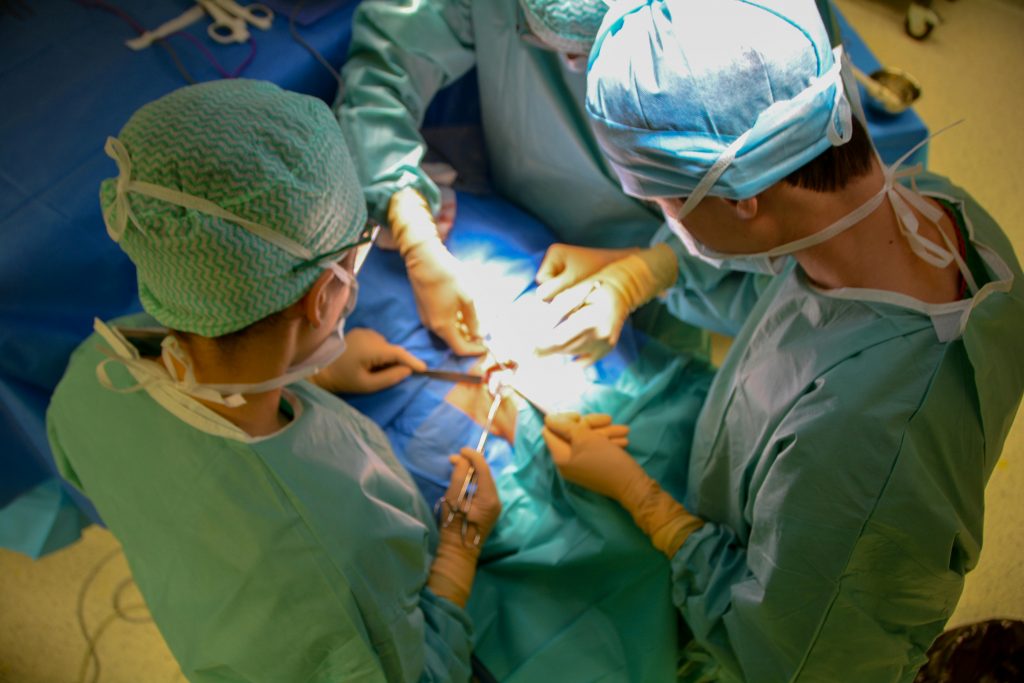
Move over bacon — pigs are now donating more than just breakfast.
In a medical first that sounds straight out of a sci-fi novel, doctors in Guangzhou, China successfully transplanted a genetically engineered pig lung into a human. Well… into a brain-dead volunteer, to be precise.
The results? The pig lung didn’t just sit there. It actually worked — inflating, exchanging oxygen, and keeping busy for a full nine days. That’s longer than most of us can keep a houseplant alive.
Of course, it wasn’t all smooth sailing. By day three, the body started showing signs of rejection (as you’d expect when you swap in pork parts). By day nine, the lung was clearly struggling. But the fact it lasted that long is a huge step in xenotransplantation — the science of moving organs from animals to humans.
Why does this matter?
There’s a massive shortage of donor lungs worldwide. Thousands of people die each year waiting for transplants. If scientists can perfect this pig-to-human swap, it could be a literal lifesaver.
The catch?
- This was done in a brain-dead patient still hooked up to machines, not someone living their daily life.
- Even with genetic edits (scientists deleted some pig genes and added human ones), rejection is still a monster problem.
- And let’s be honest: we’re still a long way from your local hospital offering a “pig parts menu.”
But the big picture is clear: science is pushing the limits of what’s possible. Today it’s lungs. Tomorrow, who knows? Kidneys, hearts, maybe even a pig pancreas powering up someone’s insulin.
So next time you see a pig, don’t just think “ham sandwich.” Think “future organ donor.” ????????